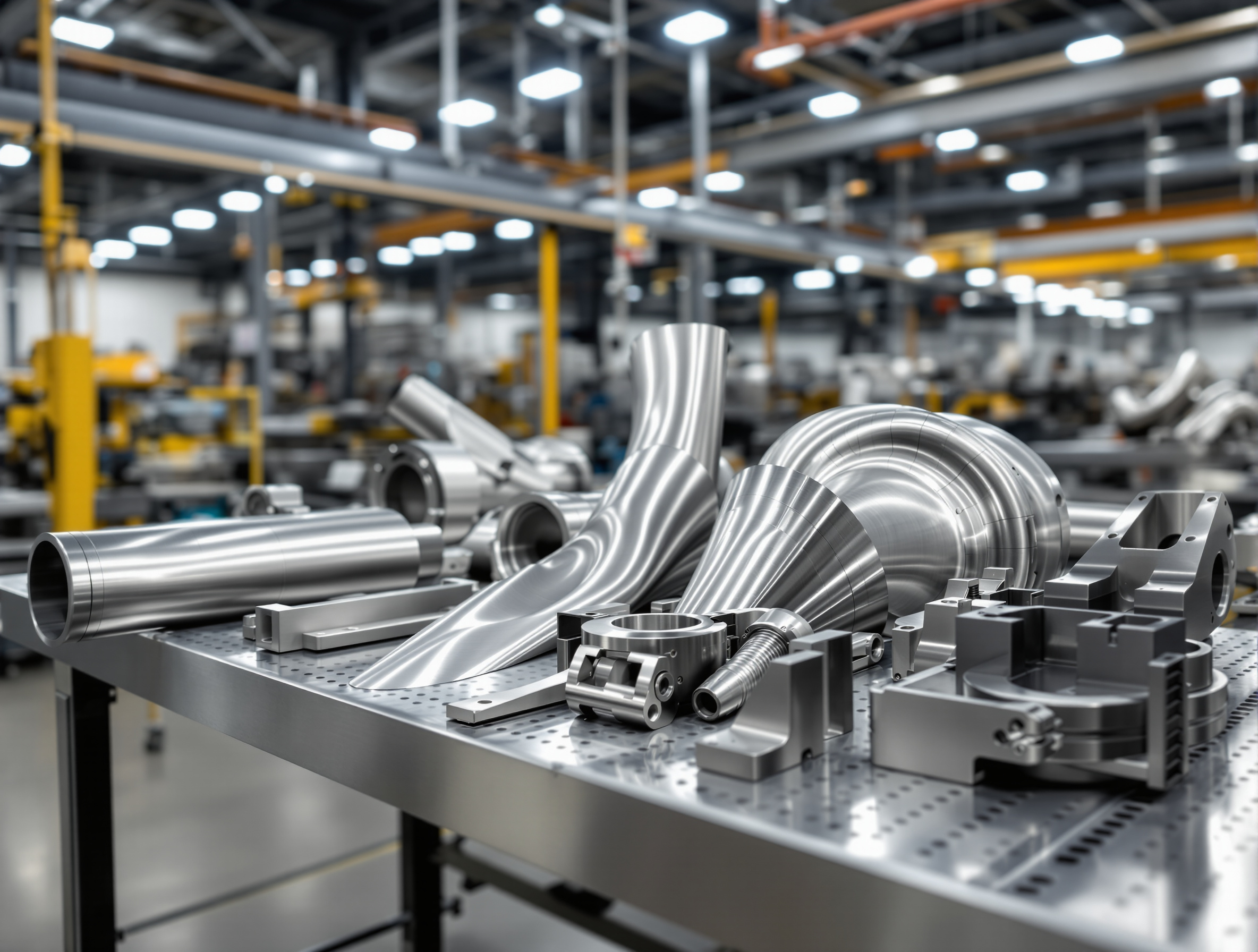
What factors influence pricing for alloy steel investment casting part OEM orders?
Pricing for alloy steel investment casting parts depends on several key factors including material specification (AMS, ASTM, or BMS grade), alloy composition complexity, order quantity, required heat treatment processes, dimensional tolerances, and additional finishing requirements. High-performance alloys like 4340, 52100, and M-50 with vacuum melting or consumable electrode remelting processes command premium pricing due to enhanced material properties and cleanliness. We offer volume discounts for OEM production runs and provide detailed quotes within 24 hours that include full material traceability, certified test reports, and competitive per-unit pricing. Our pricing structure is transparent, with options for various melting methods, testing levels, and delivery schedules to match your budget and timeline requirements.
Which alloy steel specifications are most suitable for investment casting applications?
For investment casting applications, popular specifications include AMS 6409, AMS 6415, and AMS 6484 (4340 variants) for high-strength structural components; AMS 6440 and AMS 6444 (52100) for bearing applications; AMS 6260 and AMS 6265 (9310) for carburizing applications; and AMS 6487 and AMS 6488 (H-11) for hot-work tooling. The selection depends on your specific application requirements including strength, toughness, wear resistance, and operating temperature. Our metallurgical experts can recommend the optimal specification based on your part design, load conditions, and performance criteria to ensure successful investment casting and final part performance.
What is the difference between standard and vacuum-melted alloy steels for OEM parts?
Vacuum-melted alloy steels undergo consumable electrode vacuum melting (CEVM) or vacuum induction melting (VIM) processes that significantly reduce impurities, gases, and non-metallic inclusions compared to air-melted materials. This results in superior cleanliness, improved fatigue life, better ductility, and more consistent mechanical properties—critical for aerospace, defense, and high-reliability OEM applications. Specifications like AMS 6414, AMS 6417, and AMS 6431 explicitly require vacuum melting for premium aircraft quality. While vacuum-melted grades cost 15-30% more than standard grades, they provide enhanced performance and reliability for critical investment casting applications where failure is not acceptable.
Can you provide custom heat treatment services for alloy steel investment casting parts?
Yes, we offer comprehensive heat treatment services tailored to your investment casting requirements including normalizing, annealing, quenching and tempering, carburizing, and precipitation hardening. Our in-house heat treatment capabilities ensure precise control of mechanical properties to meet your specification requirements, whether you need the normalized and tempered condition of AMS 6409, the annealed state of AMS 6478, or custom hardness levels for specific applications. We provide full heat treatment documentation, hardness testing, and can coordinate additional processes such as stress relieving, cryogenic treatment, or surface hardening to optimize your OEM parts for their intended service conditions.
What industries commonly use alloy steel investment casting parts?
Alloy steel investment castings are extensively used in aerospace (landing gear components, engine mounts, structural fittings), defense (weapon systems, armor components, vehicle parts), oil and gas (valve bodies, pump components, downhole tools), power generation (turbine components, generator parts), and automotive (transmission components, drivetrain parts) industries. The combination of complex geometries achievable through investment casting and the high strength-to-weight ratio of alloy steels makes these materials ideal for critical OEM applications requiring precision, reliability, and performance under demanding conditions including high stress, elevated temperatures, and corrosive environments.
What certifications and quality documentation do you provide with OEM alloy steel parts?
As an ISO 9001 and AS 9100 certified supplier, we provide comprehensive quality documentation including full material test reports (MTRs), certified chemical analysis, mechanical property test results, heat treatment certifications, and full traceability to mill certifications. Our documentation meets aerospace, defense, and commercial OEM requirements, with options for third-party inspection, NADCAP compliance, and special testing such as ultrasonic inspection, magnetic particle inspection, or dimensional verification reports. All materials are traceable to original melts and include lot numbers, heat numbers, and specification compliance statements to ensure complete quality assurance for your investment casting applications.
What are typical lead times for alloy steel investment casting part materials?
Lead times vary based on material specification, quantity, and processing requirements. Standard grades in common sizes from our inventory can ship within 1-2 weeks, while custom orders requiring special melting, heat treatment, or testing typically require 4-8 weeks. Premium grades with vacuum melting processes or special cleanliness requirements may extend to 8-12 weeks depending on mill schedules. For OEM production programs, we work with you to establish blanket orders and scheduled releases to ensure material availability aligns with your investment casting production schedule. We maintain strategic inventory of popular specifications to minimize lead times for repeat orders and can expedite critical orders when needed.
How do I select the right alloy steel grade for my investment casting design?
Selecting the optimal alloy steel grade requires evaluating your application's mechanical property requirements (tensile strength, yield strength, hardness, toughness), operating environment (temperature, corrosion exposure, wear conditions), and manufacturing considerations (castability, machinability, weldability). Our technical team can review your part specifications, loading conditions, and performance criteria to recommend appropriate AMS, ASTM, or BMS specifications. For example, 4340 offers excellent strength and toughness for structural applications, 52100 provides superior wear resistance for bearing components, 9310 excels in carburized applications, and H-11 delivers hot-work performance. We provide material selection consultation as part of our OEM partnership services.