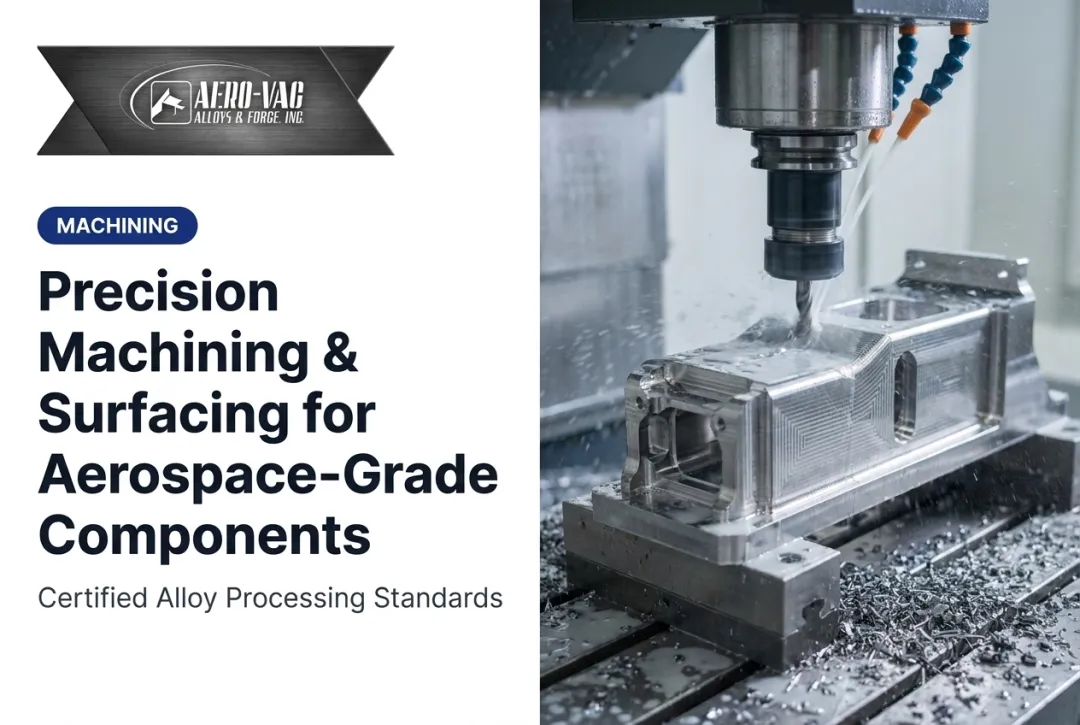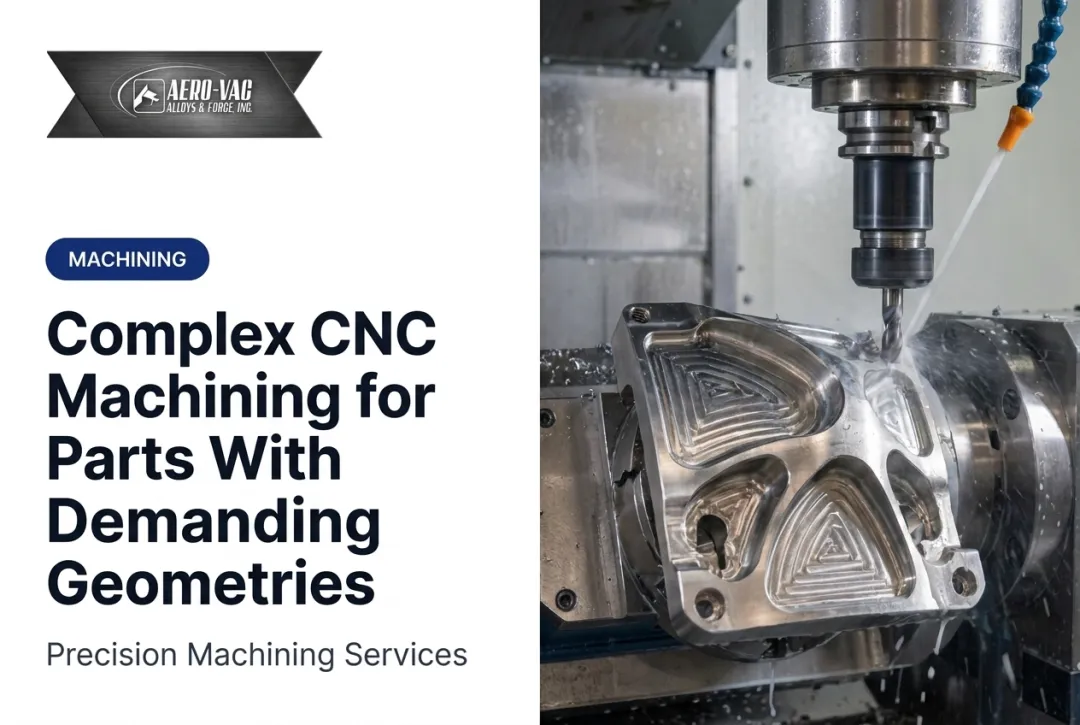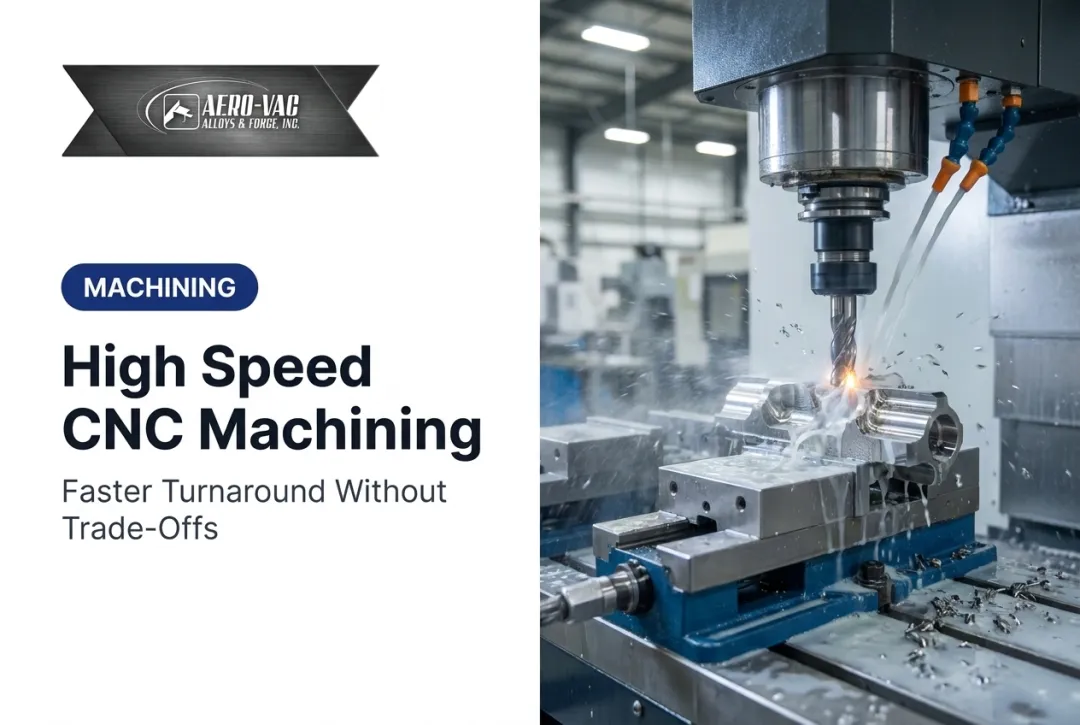

Multi-axis machining solves this by cutting more of the part in fewer setups. 4-axis CNC machining sits at the center of that shift, adding a rotary axis to standard X-Y-Z motion so shops can reach multiple faces without unclamping the part. This guide breaks down what 4-axis machining is, how it works, where it beats 3-axis and 5-axis alternatives, and why the raw material behind the part matters just as much as the machine cutting it.
Key Takeaways
- 4-axis CNC adds a rotary A-axis to X-Y-Z motion, machining multiple sides in one setup
- Indexing (stop-and-cut) and continuous (cut-while-rotating) modes handle discrete faces and complex contours
- Fewer setups mean less re-fixturing, tighter feature-to-feature consistency, and lower per-part cost
- Certified, traceable alloy stock reduces scrap risk on complex 4-axis jobs
What Is 4 Axis CNC Machining?
4-axis CNC machining takes the familiar X, Y, Z linear motion of a standard mill and adds a rotary axis, usually labeled A. That rotary axis turns the workpiece or fixture, most commonly rotating around the X-axis, giving the cutting tool access to multiple faces without unclamping the part.
Compare that to a 3-axis machine, which cuts from one fixed orientation per setup. Need features on four sides? That's four separate setups, each requiring re-zeroing.
5-axis machines go further, adding a second rotary axis for continuous access to nearly any angle on complex 3D surfaces. But that capability comes with higher programming complexity and cost. CNC Cookbook describes 4-axis as a practical middle ground between simple 3-axis work and more expensive, harder-to-program 5-axis machining.

Indexing vs. Continuous 4-Axis Work
Two modes cover most shop work:
- Indexing: The rotary axis turns to a position, locks, then the tool cuts. Used for angled holes, flats, and multi-face drilling.
- Continuous: The part rotates while the tool cuts simultaneously. Used for cam lobes, helical features, and turbine-style profiles.
Continuous work demands more capable CAM software since the toolpath has to account for constant rotational motion, not a fixed position.
How a 4th Axis Works and Common Applications
A 4th axis unit is a rotary spindle mounted on bearings and driven by a motor through a gear-reduction system. Haas's HRT310 rotary table, for example, uses a 72:1 worm-gear ratio and lists rotary accuracy of ±15 arc-seconds. Other Haas units, like the HRT210SS, use a cycloidal drive that can rotate up to 490 degrees per second.
Indexing-style units lock the axis before cutting starts. Continuous units rotate while the tool cuts, which is what makes helical and cam-profile work possible.

Where 4-Axis Machining Gets Used
Shops typically use 4-axis setups for:
- Angled features and cutouts across multiple flat faces
- Cams, eccentrics, and irregular-shaped stock
- Side-drilled holes on cylindrical parts
- Engraving on round or cylindrical components
- Thin-wall parts that need finished edges on several sides
Those jobs still depend on solid fixturing. Workholding mirrors standard milling setups, just adapted for rotation—tombstones, lathe chucks, and vises are common, secured so the part holds through the full rotary move.
4 Axis vs 3 Axis vs 5 Axis CNC Machining: Key Differences
Choosing between these three configurations comes down to part geometry, tolerance needs, and budget.
| Configuration | Axes | Typical Work | Complexity/Cost |
|---|---|---|---|
| 3-axis | X, Y, Z | Planar profiles, drilled holes, simple contours | Lowest cost, simplest programming |
| 4-axis | X, Y, Z + rotary A | Angled features, cams, multi-face parts in one setup | Moderate cost, more CAM planning for continuous work |
| 5-axis | X, Y, Z + two rotary axes | Complex 3D contours, compound-angle surfaces | Highest cost, most complex programming |
A 3-axis machine handles simple work well but forces multiple setups on anything with features on more than one face. A 4-axis machine closes that gap, cutting up to four sides in a single setup and enabling angled or helical geometry that's difficult otherwise.
5-axis machines add continuous access to compound curves, useful for turbine blades and complex aerospace surfacing, but at much higher cost and programming complexity.
Do machines beyond 5-axis exist? Yes. Manufacturers like Mazak offer mill-turn centers with 7, 8, and even 9 axes by combining milling and turning motion in a single machine. DMG MORI's Turn & Mill line similarly combines turning with simultaneous 5-axis milling for six-sided machining in one workspace. These systems target highly complex parts that would otherwise need multiple machines and setups entirely.
Benefits of 4 Axis CNC Machining for Precision Industries
Fewer setups improve part quality and reduce cost.
Tighter tolerance consistency. Every time a part is unclamped and re-fixtured, there's a chance of misalignment. Keeping the part in one fixture through more operations reduces that risk between features.
Lower per-part cost. A Modern Machine Shop case study documented a shop using horizontal 4-axis machining with rotating pallets. A radio-antenna part that previously took eight minutes each on vertical mills became a batch process producing 12 parts in 18 minutes. The same shop cut engraving cycle time by 20% and reworks by 95%.

Geometry that's otherwise difficult. Angled holes, cam profiles, and helical features are hard or impossible to machine accurately on a 3-axis setup without custom fixturing. A 4-axis machine handles these directly.
These advantages matter most where tolerance and traceability requirements are strict:
- Aerospace structural and engine components
- Defense hardware requiring documented process control
- Oil and gas equipment operating under extreme pressure and temperature
- Power generation components like turbine housings and shaft assemblies
Why Material Selection Matters for 4 Axis CNC Machining
Rotary cutting and angled toolpaths put different stresses on stock than straight linear cuts. Inconsistent grain structure or variable alloy quality raises the risk of tool deflection, chatter, or part failure. That risk climbs on longer continuous-mode cuts, where the tool engages the material at constantly changing angles.
That's why certified, traceable material matters more on multi-setup 4-axis jobs than on simpler work:
- Mill certifications confirm chemistry and mechanical properties before stock hits the floor
- Heat and lot traceability ties a machining issue back to a specific batch instead of guesswork
- ISO 9001 and AS9100-compliant sourcing lowers scrap risk on parts that already take heavy setup time
At that point, the material supplier is part of the quality system—not an afterthought.
Aero-Vac Alloys & Forge is an ISO 9001 and AS9100-certified manufacturing distributor of alloy steel, stainless steel, nickel alloys, titanium, and aluminum for aerospace, defense, and industrial machine shops. Third-party destructive and non-destructive testing confirms conformance before shipment, and saw cutting plus rough machining cut prep work downstream.

For shops on tight schedules, certified stock, order tracking, and just-in-time delivery mean less waiting—and more confidence the material will hold up through a full 4-axis run.
Frequently Asked Questions
How much does a 4-axis CNC machine cost?
A standalone 4-axis rotary table add-on starts around $14,000–$15,000, not including the base mill. Final cost depends on machine size, rotary drive quality, and control software—typically more than a 3-axis setup and less than a full 5-axis machine.
Do 4-axis, 7-axis, and 9-axis CNC machines exist?
Yes. Higher axis counts typically combine milling and turning motion in mill-turn centers, letting shops machine highly complex parts in a single setup instead of moving between machines.
What's the difference between indexing and continuous 4-axis machining?
Indexing rotates the part, locks it in place, then cuts. Continuous machining cuts while the axis rotates simultaneously, used for cam lobes, helical features, and similar contoured geometry.
What industries commonly use 4-axis CNC machining?
Aerospace, defense, oil and gas, power generation, and heavy trucking all rely on 4-axis machining for parts requiring multi-face features and tight tolerance consistency.
Can a 4-axis machine replace a 5-axis machine?
It depends on the part. 4-axis handles angled and rotational features well but can't achieve the continuous compound-angle surfacing that 5-axis machines produce on complex contoured parts.
What workholding is used in 4-axis CNC machining?
Tombstones, lathe chucks, and vises are common, similar to standard milling setups but adapted to accommodate rotary motion without losing part rigidity.