
Many engineers and buyers hit a wall before machining even starts. Finding the right alloy grade, size, and certification for that raw billet is often the biggest bottleneck in the entire production timeline. Get the material wrong, and no amount of five-axis CNC work will save the part.
This guide covers what billet machining parts actually are, how billet compares to cast and forged alternatives, the real benefits of machining from solid stock, and what to look for when sourcing quality billet material.
Key Takeaways
- Billet is raw material, not a process: solid metal stock later shaped by CNC machining
- Machined billet parts deliver tighter tolerances and better structural consistency than castings
- Starting billet quality and certification directly determine final part performance
- ISO 9001/AS9100-certified suppliers provide the traceability critical applications demand
What Is a Billet in Machining?
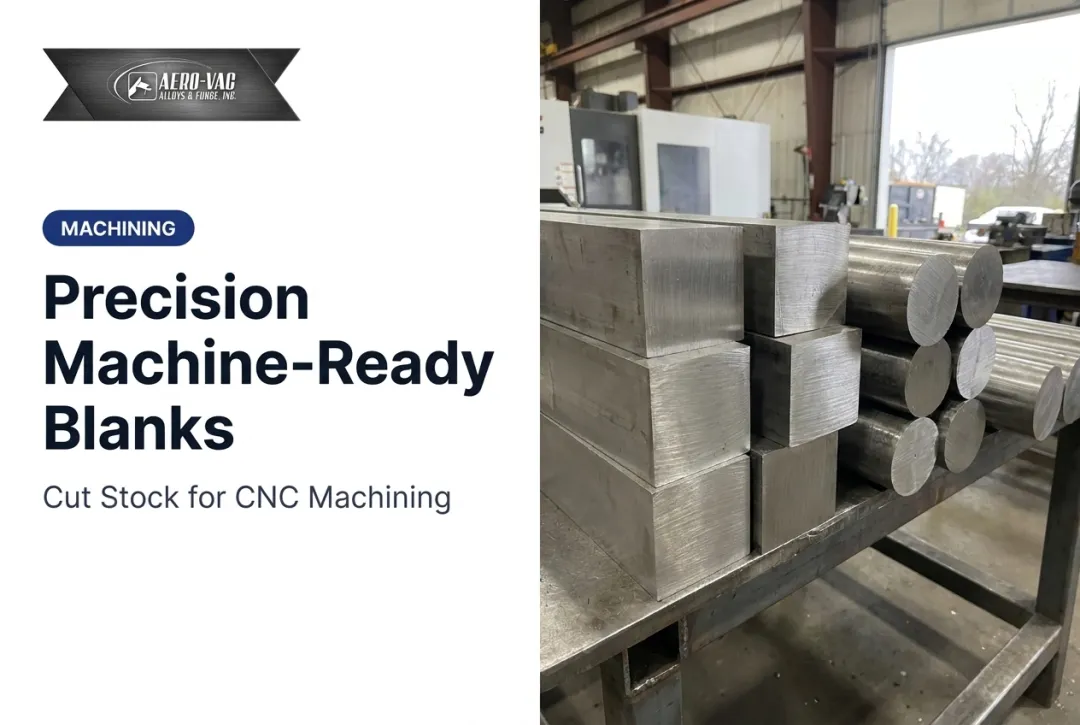
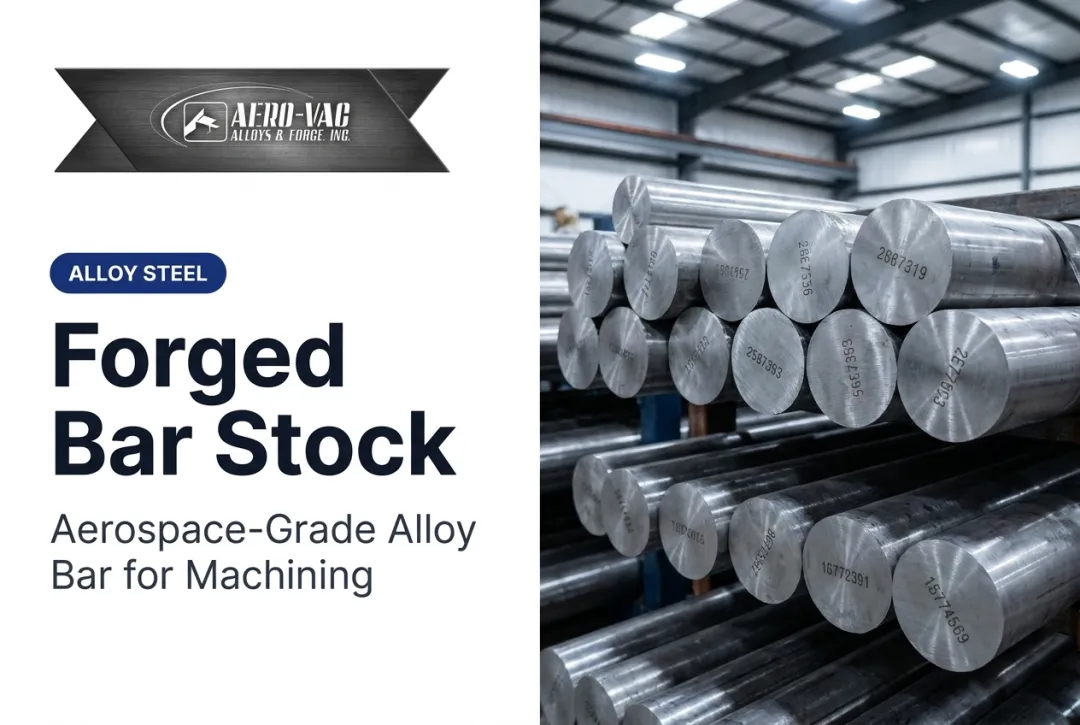
A billet is a solid length of metal, typically square, round, or rectangular in cross-section, produced through continuous casting or hot rolling. It's the raw stock that sits on a shelf before any cutting tool touches it. Billet is the material; machining is the process. A supplier sells you a billet. A machine shop then removes material from it using CNC milling, turning, or multi-axis operations until the finished part emerges. One is a noun, the other is a verb. CNC is the method; billet is simply one type of starting stock operators cut from.
Billet Isn't Just Aluminum
A common misconception is that billet only means aluminum. In reality, billet stock spans:
- Alloy steels (such as NIT135 chrome-molybdenum-aluminum steel under MIL-S-6709)
- Stainless steels (including ASTM A314 billets used for forging feedstock)
- Titanium alloys
- Nickel alloys and other specialty metals ATI's specialty materials division explicitly lists titanium, nickel, cobalt, and steel among its billet and mill-form offerings, serving aerospace, oil and gas, and medical markets.
Why Grain Structure Matters
Uniform grain structure in billet stock lets CNC machinists hit tight dimensional tolerances consistently. Inconsistent grain, common in poorly controlled casting, can cause a part to distort slightly during machining as internal stresses release unevenly. A note on tolerances: acceptable tolerances are typically agreed between supplier and customer and specified on engineering drawings, according to the Steel Founders' Society of America. Billet machining generally allows finer control because the process is subtractive and repeatable—not dependent on mold shrinkage or fill patterns. There is no universal benchmark claiming billet-machined parts always beat cast parts by a fixed percentage.
Billet vs. Cast vs. Forged: Choosing the Right Manufacturing Method
Each method solves a different problem. None is universally "better."
Casting is mold-based. Molten metal fills a cavity shaped like the final part. It's ideal for:
- Complex geometries that would be expensive to machine
- High-volume production runs
- Parts where some porosity risk is acceptable
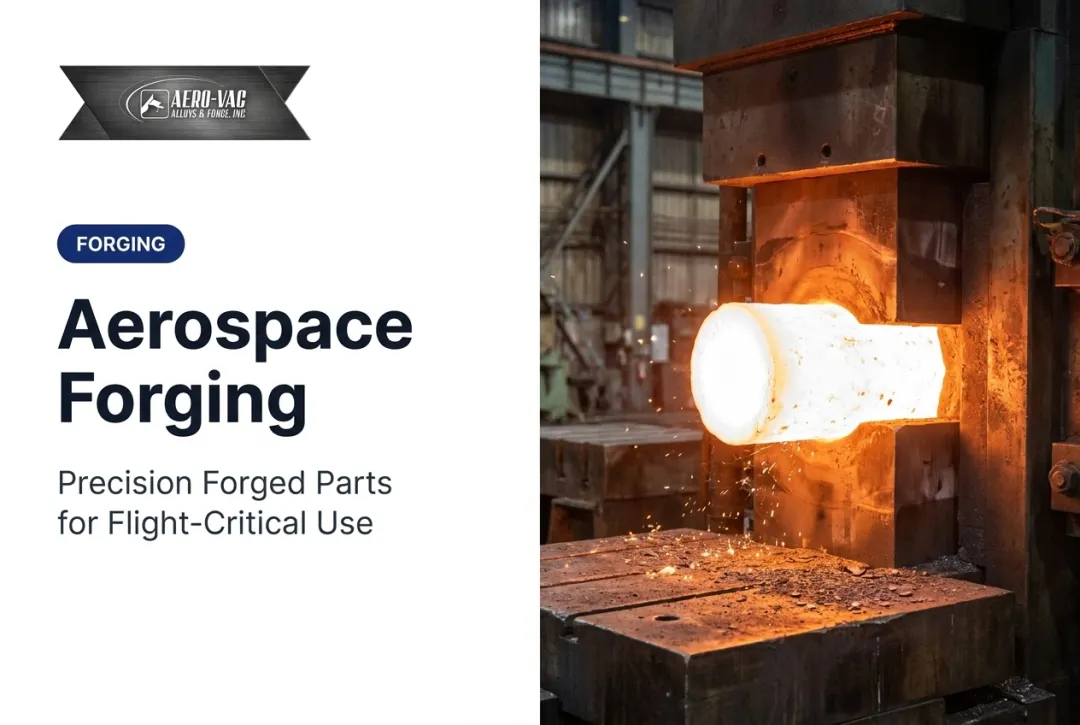
Forging compresses metal into shape, preserving grain flow along the part's stress lines. The Forging Industry Association notes that forging generally improves strength, ductility, and fatigue resistance compared to machined bar stock. It also refines defects such as dendritic structures that start in cast material.
Billet machining is subtractive. A CNC machine cuts away material until the part emerges. It delivers the tightest tolerances and best surface finish of the three. The tradeoff is higher scrap, because material is removed rather than shaped to near-net form.
| Factor | Casting | Forging | Billet Machining |
|---|---|---|---|
| Best for | Complex shapes, high volume | High-stress, load-bearing parts | Tight tolerances, low-to-mid volume |
| Tooling investment | High (molds) | High (dies) | None required |
| Material waste | Low to moderate | Low | Higher (subtractive) |
| Grain structure | None/random | Directional, strong | Inherited from billet, consistent |
| Lead time | Can be long for special controls | Fast for open-die work | Fast, no tooling delay |

Quick guidance:
- Billet machining — prototypes, low-volume critical parts, or fast design changes
- Casting — high-volume parts with complex geometries
- Forging — parts where fatigue resistance under repeated load comes first
Key Benefits of Billet Machined Parts
Structural Consistency Without Casting Defects
Because billet stock starts as a uniform, wrought piece of metal, it avoids the porosity and internal voids that can plague castings. The American Foundry Society identifies gas porosity and shrinkage porosity as recurring casting defects. Fatigue research on cast 319 aluminum found that doubling pore size can cut run-out stress by roughly 30%. Billet machining sidesteps that risk entirely by starting from dense, wrought material.
Precision and Tooling Flexibility
Tight tolerances and smooth surface finishes straight off the machine mean fewer secondary operations. No mold lines to grind down. No shrinkage to compensate for. The same process avoids tooling lock-in:
- No mold or die investment required
- Faster design iteration between prototype revisions
- Practical for small-batch or one-off production runs
The Trade-Off: Weight and Cost vs. Longevity
Billet parts can weigh more and cost more per unit than cast equivalents, but they often outlast them in demanding conditions. A 2025 Engine Builder Magazine report on billet aluminum engine blocks found that a 480-pound billet slug gets machined down to just 110–135 pounds. That work takes 50+ hours of machining time, and pricing runs 25–50% above traditional cast blocks. What you gain is no casting voids, controllable wall thickness in high-stress zones, and denser material overall. Aerospace and defense buyers pay billet’s premium on flight-critical components when reliability outweighs the higher upfront cost.

Industries That Rely on Billet Machined Parts
From flight hardware to downhole tools, billet machining shows up wherever strength, consistency, and traceability matter.
- Aerospace and defense: Flight-critical and mission-critical parts need AS9100-certified, fully traceable material from billet through finished component.
- Energy, oil & gas, and heavy industrial: High-strength alloy billets become downhole tools, valves, and subsea components that must survive extreme pressure and temperature.
- Power generation: Turbine disks, blades, and shafts often start as billet before precision machining.
- Motorsports: Billet aluminum engine blocks are common in high-performance builds where consistency under repeated thermal cycling matters.
- Medical devices: Titanium billet is machined into orthopedic implants, spinal hardware, and fracture-fixation plates.

Sourcing Quality Billet Stock: What to Look for in a Metal Supplier
The machining process only performs as well as the material feeding it. A five-axis CNC mill running perfect toolpaths still produces a substandard part if the billet itself has inconsistent chemistry or unverified mechanical properties.
What to check before buying billet stock:
- Mill test reports (MTRs) confirming chemical composition and mechanical properties against a named standard like ASTM or AMS
- Heat and lot number traceability, so the material can be traced back to its specific melt
- Current, unexpired ISO 9001 and AS9100 certification from the supplier, not just a logo on a website
- Chain-of-custody documentation from mill to distributor to your receiving dock

Aero-Vac Alloys & Forge operates as an ISO 9001 and AS9100-certified manufacturing distributor supplying alloy steels, stainless steels, and specialty metals for aerospace, defense, and industrial customers. The catalog spans over 360 alloy grades, and an in-house saw-cutting department handles custom cuts and odd sizes without outsourcing delays.
Whether a project needs a single machined blank or a large production run, orders move through a Rapid Response RFQ process where a live metals expert reviews the specification directly.
For spec-critical projects on tight timelines, that kind of direct technical contact often matters as much as the metal itself.
Frequently Asked Questions
What is the difference between billet machining and CNC manufacturing?
Billet is the raw material stock. CNC manufacturing (or machining) is the subtractive process that shapes it into a finished part. You can CNC machine other stock forms too, but "billet machining" specifically means starting from solid billet.
What is a billet in machining?
A billet is a solid block, bar, or cylinder of metal, produced by continuous casting or hot rolling, that serves as the starting stock for CNC machining operations.
Is billet just aluminum?
No. Billet is available in steel alloys, titanium, stainless steel, nickel alloys, and other specialty metals, not just aluminum. Aerospace and defense applications frequently use titanium or alloy steel billet.
How do I choose the right billet material grade for my application?
Consider load requirements, environmental exposure (heat, corrosion, fatigue), and any industry certification standards your part must meet, such as AMS or ASTM specifications. Match the grade to those conditions, or consult a metals specialist when specs are unclear.
Is billet machining more expensive than casting or forging?
Per-unit costs can run higher at large volumes because machining from billet removes more material than near-net-shape casting or forging. For low-volume, high-precision runs, it is often the more cost-effective and faster option.
Why does the source of the billet material matter for part quality?
Mechanical properties depend entirely on the grade and quality of the original billet. Without a certified, traceable supplier and mill test reports, you cannot verify the material will perform as specified.