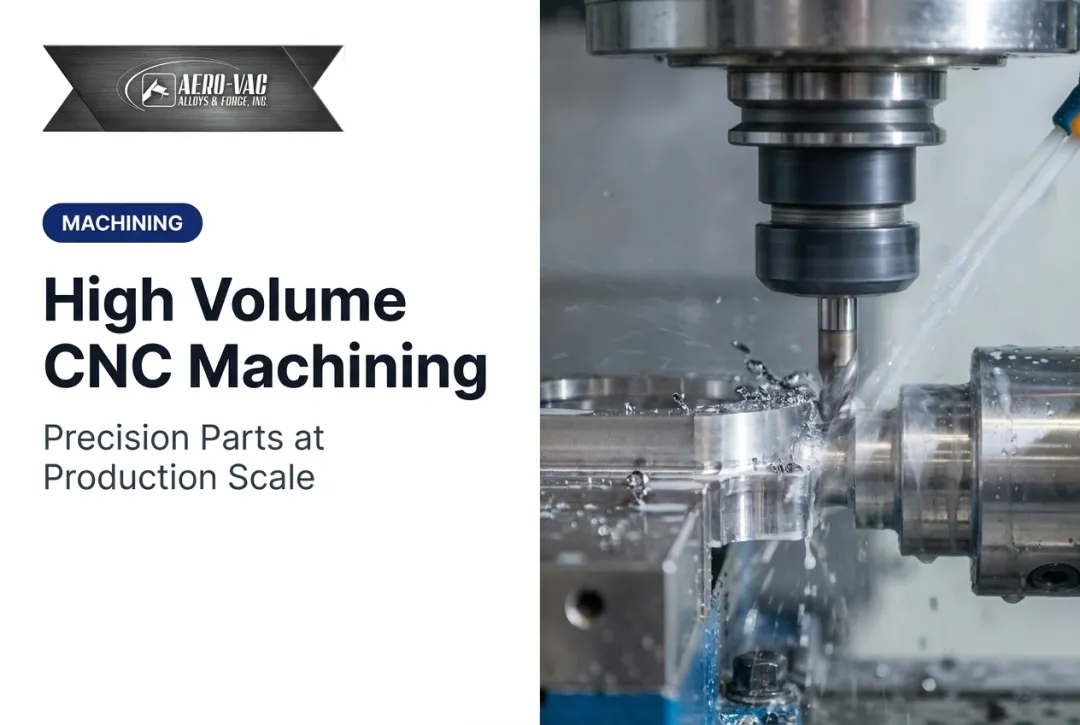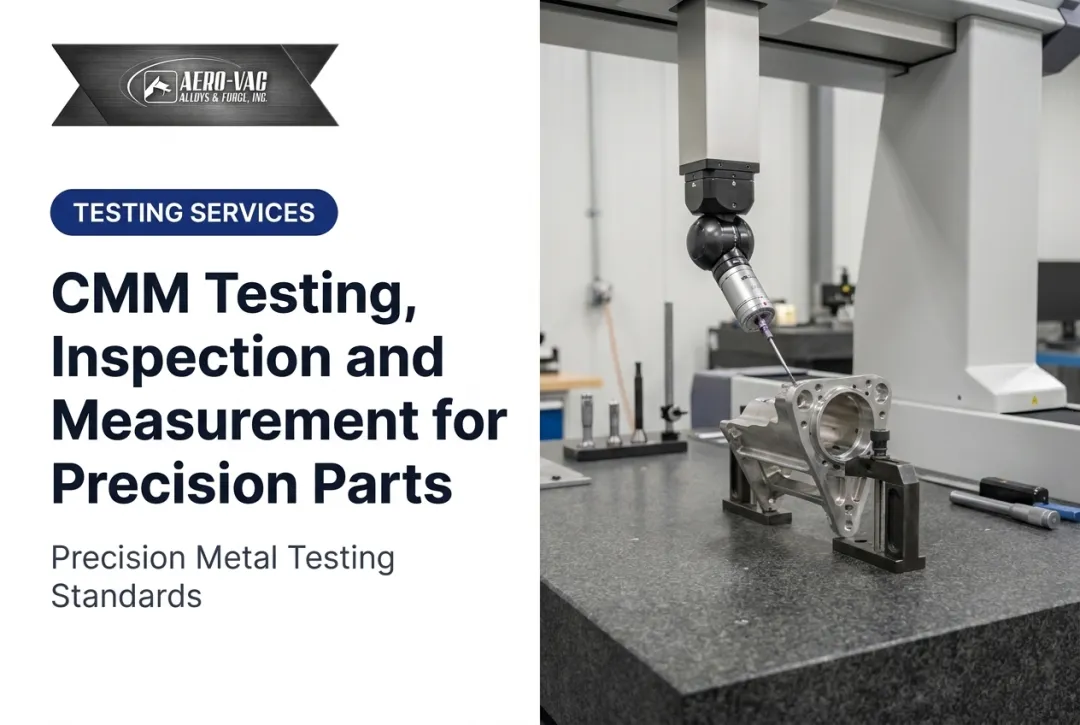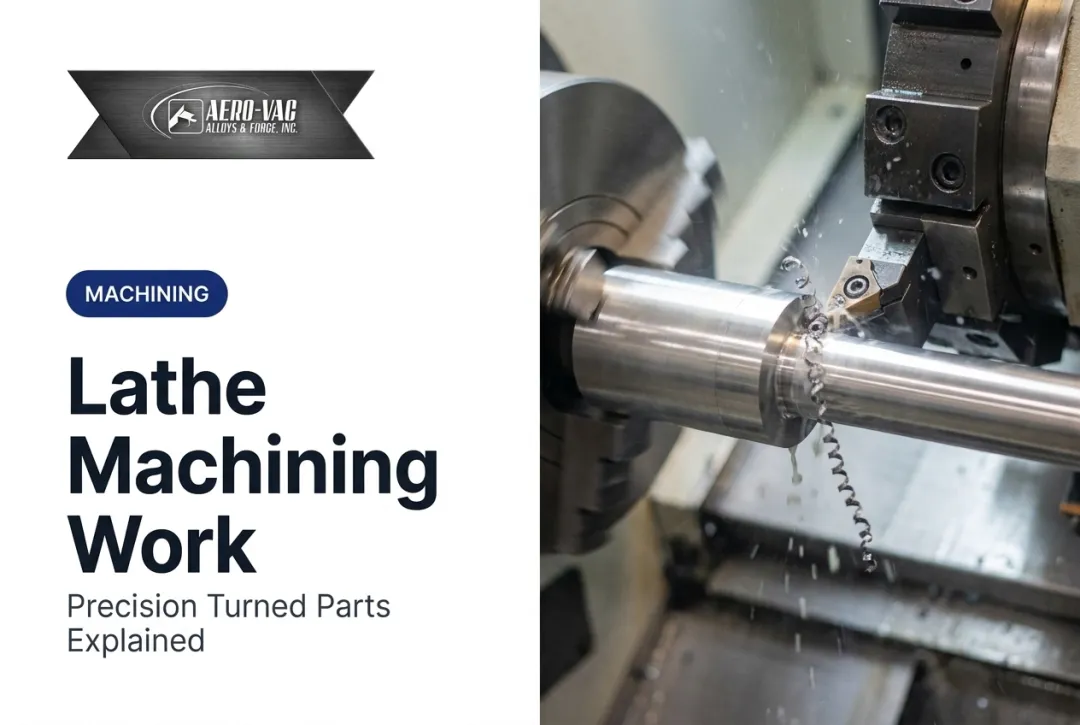

That's automatic bar machining at work.
Manufacturers running high-volume production face a real bind. They need consistent, tight-tolerance parts, but manual reloading eats time and money. Every stop to load a new bar is downtime nobody's paying for. This article breaks down what automatic bar machining actually is, how it works, the machine types shops rely on, and why the quality of your raw bar stock can make or break your production run.
Key Takeaways
- CNC lathes paired with automated bar feeders enable continuous, unattended part production
- Match Swiss-type, multi-spindle, or CNC turning machines to part geometry and volume
- Shops gain productivity and labor savings without sacrificing repeatable, tight-tolerance quality
- Raw bar stock quality directly drives tool wear, chatter, and finished part accuracy
What Is Automatic Bar Machining?
Automatic bar machining is a CNC-based process where long bar stock feeds automatically into a lathe spindle for continuous, unattended production. No operator standing there loading part after part.
The typical workflow looks like this:
- Load bar stock into the feeder for continuous supply
- Advance material into the spindle at the start of each cycle
- Run turning, cutting, or other programmed operations
- Part off the finished piece and clear it from the work zone
- Advance the next bar section automatically for the following cycle

This differs from manual bar turning in one critical way. Automated feeders remove the need for an operator to unload and reload each cycle, so production can run through breaks, shift changes, or overnight. Most CNC lathes, screw machines, and Swiss-style turning machines can accept this kind of feeding automation.
The Bar Feeder's Role
The bar feeder isn't a minor accessory. It's the component synchronizing material supply with machine cycles, keeping the bar aligned with the spindle so cutting stays consistent from the first part to the last.
Feeders come in different formats depending on the run:
- 12-foot feeders for large quantities and long unattended runs
- 6-foot loaders for mid-sized lots
- Short loaders for spindle-length bars, with setup times around 2-3 minutes
Beyond basic turning, automatic bar machines often handle secondary operations in the same setup: threading, knurling, grooving, and profiling. One chucking, multiple operations. Shops gain complex geometries without extra setups or secondary handling.
Types of Automatic Bar Machines
Not every bar machine is built the same way. Selecting the right type depends on part diameter, length-to-diameter ratio, feature location, and lot size.
CNC Turning-Based Bar Machines
These are the workhorses. Fixed-head CNC automatics handle general-purpose, mid-volume work well, particularly shorter, thicker pieces. They're versatile enough to cover a broad range of part families without requiring a specialized setup.
Swiss-Type (Sliding Headstock) Machines
Swiss-type machines guide bar stock through a guide bushing while the tool stays fixed and the workpiece moves along the Z-axis. That guide bushing keeps cutting forces close to support, which is exactly what long, slender parts need. This matters most for medical and aerospace components: bone screws, pins, and small precision fittings. A 4:1 or higher length-to-diameter ratio would cause chatter on a standard lathe.
Multi-Spindle Bar Machines
Multi-spindle machines run several spindles simultaneously, each with its own tool group, maximizing throughput on repetitive runs. The productivity case is real but conditional. A 2024 Advanced Manufacturing Engineering & Technology report documented a shop replacement case where multi-spindle equipment produced 3–4 times as many parts per hour as single-spindle setups. That gain holds when the job fits these conditions:
- Part volume generally 5,000+ pieces
- Diameter under roughly 52 mm (about 2 in.)
- Features balanced about 60–80% between front and back operations Swiss-type wins on slender precision parts. Multi-spindle wins on repetitive, high-volume runs with balanced features. Fixed-head CNC covers everything in between.

Key Features That Make Bar Machining Efficient
Three features drive the efficiency gains shops actually see on the floor.
- Automatic material feeding. Enables long, unattended production cycles. Once a bar is loaded and the program starts, the machine keeps cutting parts without anyone standing by.
- Precision and repeatability. CNC control means the 500th part comes out as close to spec as the first. Tight tolerances hold across the full run, which is the point of automating the process.
- CNC programming integration. Complex multi-step operations (turning, threading, grooving, profiling) run in a single setup instead of multiple machine visits. Fewer setups mean fewer errors and less handling time.
Together, these features shift the labor equation. Fewer hands-on interventions, higher spindle utilization, and consistent output quality even across long unattended runs.
Why Material Quality Matters in Bar Machining
Here's something shops learn the hard way: a great CNC program can't fix bad bar stock. Inconsistent diameter, uneven hardness, or off-spec alloy composition causes real problems:
- Excessive tool wear from unpredictable cutting resistance
- Chatter and vibration during high-RPM operations
- Scrapped parts that miss tolerance despite a properly programmed machine Straightness is a bigger deal than most people realize. The Precision Machined Products Association notes that bar straightness is perishable: it is often lost during handling, yet it remains critical to holding position and tolerance on medical, aerospace, and automotive parts. An out-of-straight bar creates eccentric rotating mass and whip at high RPM. Shops then have to slow spindle speed and sacrifice throughput. For aerospace, defense, and medical work, certified, traceable alloy steel bar stock is not optional. Shops need a supplier that can match exact specs and document the material trail. Aero-Vac Alloys & Forge, an ISO 9001 and AS9100 certified manufacturing distributor, supplies alloy steel bar stock for automatic bar machining. Grades commonly specified for aerospace and defense work include:
- 4340 per AMS 6409 (approx. 0.40% C, Cr-Ni-Mo alloy steel)
- 300M per Boeing BMS 7-26 and Grumman GM 1012
- 9310V per Bell Textron 299-947-032
- Cold-finished bar meeting ASTM A108 for precision machining Aero-Vac also provides in-house saw cutting for custom and odd sizes, plus third-party material testing—including ASTM E618 machining-performance tests for ferrous metals on automatic screw/bar machines. For unattended overnight cycles, a supplier that sources exact specifications and delivers just-in-time keeps the spindle running instead of waiting on a mill.
Industries and Applications Relying on Automatic Bar Machining
Automatic bar machining supports industries that need high volumes of precision parts with consistent quality run after run.
Common industries include:
- Aerospace structural and engine components
- Medical devices and implants
- Automotive parts and fasteners
- Oil and gas fittings
- Power generation and turbine components
The process suits both ends of the size spectrum. Small precision parts, fittings, fasteners, and bushings run efficiently on Swiss-type or multi-spindle equipment. Larger structural components lean toward fixed-head CNC automatics with heavier bar capacity.

Across that range, shops still plan around a few recurring production constraints:
Common challenges shops manage:
- Chip control during continuous, high-speed cutting
- Machine setup and changeover time between part families
- Coordinating feeder length with part quantity to minimize remnant waste
None of these issues block the process, but they do require planning bar length, feeder type, and material grade before a job starts—not after the first scrapped part.
Frequently Asked Questions
What is a boring bar in machining?
A boring bar is a stationary, single-point cutting tool used to enlarge and finish existing holes during internal turning operations. It's the internal counterpart to standard outside-diameter turning.
Can you use a boring bar on a mill?
Yes, boring bars can work on milling machines, often with a rotating bar and CNC-controlled radial cutter motion. That said, CNC lathes and dedicated boring machines remain more common for precision boring work.
What is the difference between a bar machine and a standard CNC lathe?
Both use the same CNC turning principle. A bar machine adds an automated feeder for continuous, synchronized material supply, letting it run unattended. A standard lathe typically requires manual loading for each part.
How do Swiss-type machines differ from multi-spindle bar machines?
Swiss-type machines guide the bar through a bushing for long, slender, high-precision parts. Multi-spindle machines run several spindles in parallel to maximize throughput on repetitive, high-volume jobs.
What materials are commonly used in automatic bar machining?
Alloy and stainless steels are most common, along with nickel, aluminum, and titanium alloys for aerospace and defense work. Certified stock to the correct ASTM or AMS specification is essential for consistent results.
Why is bar stock quality important for CNC machining results?
Inconsistent diameter, hardness, or straightness causes tool wear, chatter, and dimensional inaccuracy. Working with a reliable supplier of certified, traceable bar stock reduces scrapped parts and production delays.