
Many machine shops struggle with a familiar problem: getting consistent serration geometry across a production run. Tooth depth wanders. Burrs show up where they shouldn't. Tolerances slip as tooling wears. Often, the root cause isn't the process at all. It's the base material feeding into it.
This article breaks down what serration machining actually is, the methods shops use to cut it, how material selection affects the outcome, and where these parts show up across industry.
Key Takeaways
- Serration machining cuts uniform notches or teeth into a surface for grip, indexing, or locking.
- Broaching, milling, lathe-based shave tooling, and grinding each fit different volumes and part geometries.
- Alloy hardness and machinability directly drive tool wear, finish quality, and cycle time.
- Reliable joints in aerospace, defense, and oil & gas often depend on serrated flanges, couplings, and fasteners.
What Is Serration Machining?
Serration machining is the process of removing metal to create a repeated pattern of teeth, notches, or grooves that mate, lock, or transfer load between two surfaces. Unlike decorative surface texture, serrations serve a functional purpose. They increase friction, prevent rotation, and provide locating features for assembly.
Common serration patterns include:
- Straight serrations: parallel grooves running along a shaft or flat face
- Radial or circular serrations: teeth arranged around a hub or flange face for rotational locking
- Diagonal serrations: angled grooves where load direction favors off-axis engagement
What Does "Serration" Mean?
The word describes a series of sharp, defined notches cut into a surface. Mechanically, serrations interlock with a mating part to increase friction or prevent slippage under load, similar to how a saw blade's teeth grip material.
What Is Serration in Flanges?
Serrated flange faces use either spiral or concentric grooves machined into the sealing surface. According to API International's 2023 technical guide on flange face finishes, these grooves typically run 45 to 55 per inch with a surface roughness between 125 and 250 microinches. The grooves bite into the gasket material, improving seating and reducing the chance of rotational slip in a bolted joint.
Serration vs. Knurling vs. Threading
These processes are often confused, but each serves a different purpose:
- Serration: removes material to cut functional teeth for locking or torque transfer
- Knurling: displaces material under pressure (the tool does not cut) purely for grip, per ANSI/ASME B94.6 knurling standards
- Threading: cuts a helical groove for fastening, not a repeated tooth pattern
Methods and Techniques for Machining Serrations
Shops pick a method based on volume, part geometry, and material hardness. Here's how the main options stack up.
| Method | Best fit |
|---|---|
| Broaching | High-volume, standardized SAE/AS1300 forms |
| CNC shave tooling | Same-setup work on C-axis lathes |
| Milling | Complex geometry or low-volume/prototype runs |
| Grinding | Hardened parts needing final tolerance |

Broaching for High-Volume Precision
Rotary and punch broaching remain the go-to for repeatable, high-volume serration work. Slater Tools' catalog shows internal and external broaches producing standardized SAE/AS1300 forms with 24 and 36 teeth, holding a per-side tooth clearance around 0.0028 inch on mating pairs.
Precision matters here. Production Machining reports that rotary broaching needs to stay on-center within 0.0008 inch or less. Miss that, and you get eccentricity, spiraling, dig marks, or oversized holes.
CNC Lathe-Based Shave Tooling
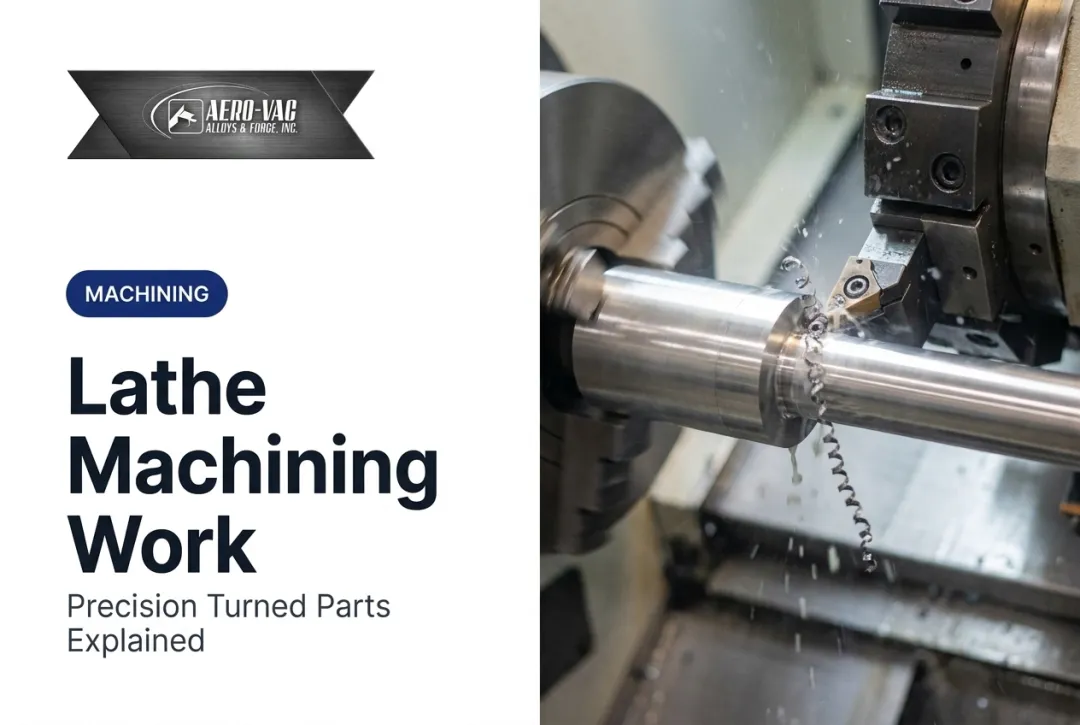
Newer shave-tool systems mount directly on a C-axis lathe, so shops can cut serrations in the same setup as turning—no separate broach or mill trip, less handling, and less setup error. Schwanog's systems, for instance, hold tighter tolerances across multi-spindle production without a secondary machine.
Milling for Complex or Low-Volume Parts
CNC serration milling suits parts that don't justify dedicated broach tooling, or geometries too complex for a straight broach pass. Schwanog notes its milling process completes the serration directly on the machine without a separate finishing step, which helps on prototype runs or short production batches.
Grinding for Hardened Materials
Once a part is heat-treated, grinding becomes the practical option for holding tight serration tolerances. This typically means leaving machining allowance before hardening, then grinding to final dimension afterward.

Regardless of method, a few tooling choices drive consistency across runs:
Tooling notes across all methods:
- Coatings (TiN, TiCN, TiAlN) extend tool life on harder alloys
- Insert geometry controls burrs at tooth entry and exit
- Folding serration into an existing CNC op can drop a full secondary setup—savings still hinge on geometry and batch size
Material Selection for Serration Machining
The alloy you start with determines how the serration operation performs. Machinability affects tool wear, achievable tolerance, and finish quality just as much as tooling choice does.
Common Alloys for Serrated Aerospace and Defense Parts
Aerospace and defense serrated components often draw from alloy steels like:
- 4140 and 4340 alloy steel, used for shafts, couplings, pins, and fixtures
- 4330V modified steel, specified for critical aerospace fasteners and fittings under specs like DMS 1891
- 300M/4340M low-alloy steel for high-strength forged applications
- 9310V alloy steel for gear and power-transmission components
Sandvik Coromant's machinability guidance notes that steel machinability generally drops as hardness and alloy content rise. Alloys with 12-15% alloying and hardness up to 450 HB need a heat-resistant cutting edge to avoid premature tool failure.
Not every serrated part starts as alloy steel. Cast iron brings a different set of machinability limits.
Cast Iron as a Serration Workpiece
Cast iron's abrasive graphite content wears down high-speed steel quickly. Sandvik's cast-iron guidance points to CVD-coated carbide or ceramic insert grades instead, with CBN reserved for high-speed finishing on gray or chilled iron. The same logic applies when serrating cast-iron components: carbide or ceramic holds up where HSS will not.

Why Traceable Material Matters
Aerospace and defense serrated parts—locking flanges, turbine couplings, and similar hardware— often require full material traceability. That means certificates of conformance, heat and lot numbers, and test reports tied back to each piece of stock.
This is where sourcing matters as much as the machine setup. Aero-Vac Alloys & Forge, an ISO 9001 and AS9100-certified distributor, supplies alloy steel grades such as 4340 (AMS 6414) and 4330V (MIL-S-8699), cut to exact specification before stock reaches the shop floor.
Starting a serration run with consistent, documented material reduces the guesswork generic supply chains introduce.
Industries and Applications Relying on Serrated Parts
Serrated features show up wherever a joint needs to resist rotation or slippage under load.
- Aerospace and defense: Serrated fasteners, couplings, and locking rings in high-vibration assemblies, often machined from alloy steels to requirements such as AS1300
- Oil, gas, and power generation: Serrated flange faces improve gasket seating and stop rotational slip in bolted piping joints; gear serrations carry torque in turbines and compressors
- Automotive: Serrated shafts in steering-column and collapsible-column assemblies lock rotation under vibration and crash loads
Across these sectors, the job is the same: reliable load transfer under vibration or rotation—the condition serrations are built to handle.
Quality Considerations and Common Challenges
Scaling serration production introduces problems that don't show up on a single prototype part.
Tolerance and repeatability issues:
- Tooth depth can drift across a long run if broach centering isn't held within tight limits
- Pitch and spacing can shift when tool wear or setup drift goes unchecked between pieces
- Slater Tools' gauge tolerances (as tight as +0/-0.0002 inch) illustrate how little room exists for drift before parts fail inspection

Material-driven defects:
- Hardness variability in incoming stock changes cutting forces mid-run, leading to chipping or inconsistent tooth profiles
- Overload, excessive feed, or inclusions in the material contribute directly to tool chipping and breakage, as Sandvik notes
- Work-hardened surfaces, common in stainless and nickel alloys, promote burr formation at tooth edges
Reducing scrap and rework:
- Verify incoming hardness and heat-treat condition before releasing a serration program
- Record broach centering, tool wear state, and first-piece profile as standard practice
- Source certified, consistent raw material to eliminate one major variable before it reaches the machine
That last point is often overlooked. A shop can have perfect tooling and setup, but inconsistent alloy chemistry or hardness from batch to batch will still produce scrap. Certified, traceable stock from a consistent supplier removes that variable before the first cut and cuts inspection failures tied to material, not machining.
Frequently Asked Questions
What does "serration" mean?
Serration refers to a series of sharp, defined notches cut into a surface for grip, locking, or mechanical engagement. The pattern interlocks with a mating part to increase friction or resist slippage under load.
What is serration in flanges?
Serrated flange faces use spiral or concentric grooves machined into the sealing surface. These grooves improve gasket seating and help prevent rotational slip in bolted piping joints.
What is the most suitable tool for machining cast iron?
Carbide or ceramic tooling is preferred over high-speed steel because cast iron's abrasive graphite content wears down HSS quickly. CBN grades work well for high-speed finishing on gray or chilled iron.
How is serration different from knurling?
Serration cuts functional grooves that lock or transfer load between mating parts. Knurling displaces material under pressure to create a decorative or grip-only crosshatch pattern without cutting.
Can serration be added as a secondary operation on existing parts?
Yes. Specialized shave tooling now mounts on C-axis lathes, letting shops cut serrations in the same setup as turning rather than moving the part to a separate broaching or milling machine.
Where can I source certified alloy steel for serration machining projects?
Aero-Vac Alloys & Forge, an ISO 9001 and AS9100-certified supplier, provides alloy steel cut to specification for machine shops serving aerospace, defense, and industrial customers.