
Production tube cutting is the process of separating tube or pipe stock into precise, repeatable lengths using specialized high-volume cutting methods. Unlike a one-off custom cut, it's built for speed, consistency, and tight tolerances across large runs.
This article covers the main cutting methods, why they matter for aerospace and defense manufacturing, where they're applied, and how to choose the right process and material supplier.
Key Takeaways
- Production tube cutting delivers high-volume, repeatable cuts of tube and pipe stock to precise lengths
- Five primary methods—sawing, lathe, rotary, shear, and laser—fit different materials, volumes, and finish needs
- Select the method by material, wall thickness, tolerance, and required production rate
- Certified, quality-controlled raw tube stock underpins cut accuracy and consistency
What Is Production Tube Cutting?
Production tube cutting refers to the high-speed, repeatable separation of tube stock into usable component lengths at manufacturing scale. It's distinct from prototype or one-off cutting, which handles unique, low-quantity specs without the same automation or throughput demands.
According to The Fabricator, tube can be cut to length right on the mill during production, or handled later in a separate "recut" operation using dedicated cutting equipment. Most manufacturers rely on the recut approach, since it offers more flexibility for varying order sizes and specs.
The General Workflow
A typical production cutting cycle looks like this:
- Load raw tube or pipe stock into the cutting machine
- Position the material using automated feed and clamp systems
- Cut to the programmed length and spec
- Deburr or finish the cut ends as needed

This workflow supports downstream operations such as welding, bending, and precision machining across industries like aerospace, automotive, and energy. A cut that's off-spec or has excessive burr can throw off an entire assembly line.
Raw material quality matters just as much as the cutting process itself. Inconsistent wall thickness or poor straightness in the starting tube stock can cause cutting defects no matter how good the machine is. That's why manufacturers look upstream to the alloy supplier before they ever load a saw or shear.
Common Production Tube Cutting Processes
Different jobs call for different tools. Here's how the major methods stack up.
Sawing (Cold Saw and Band Saw)
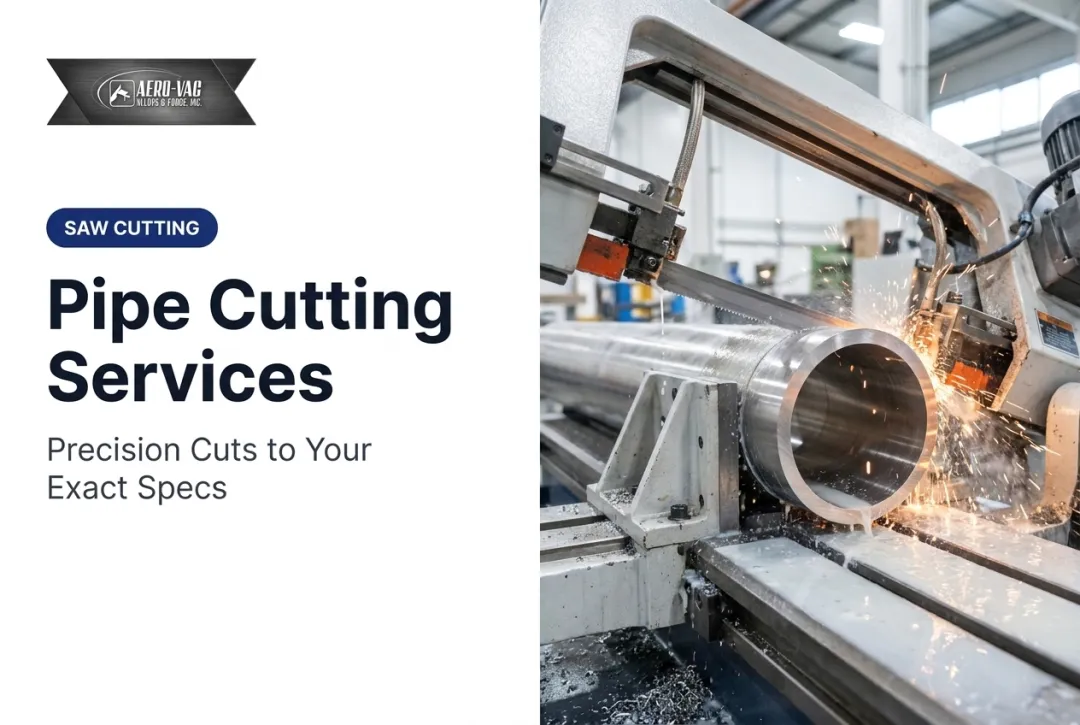
Sawing remains the workhorse for low-to-medium volume runs, handling square, rectangular, and round tube profiles alike.
Advantages:
- Good cut quality across a wide range of wall thicknesses
- Handles both heavy and light wall stock
- Favored when inside-diameter purity matters, since it avoids the spatter risk that comes with laser cutting
Disadvantages:
- Burr formation at cut edges
- Blades need regular resharpening or replacement
Industrial band saws from manufacturers like Cosen serve steel and titanium tubes in manual, semi-automatic, and fully automatic configurations, with features like split hydraulic vises designed to help reduce burr formation.

Lathe and Rotary Cutting
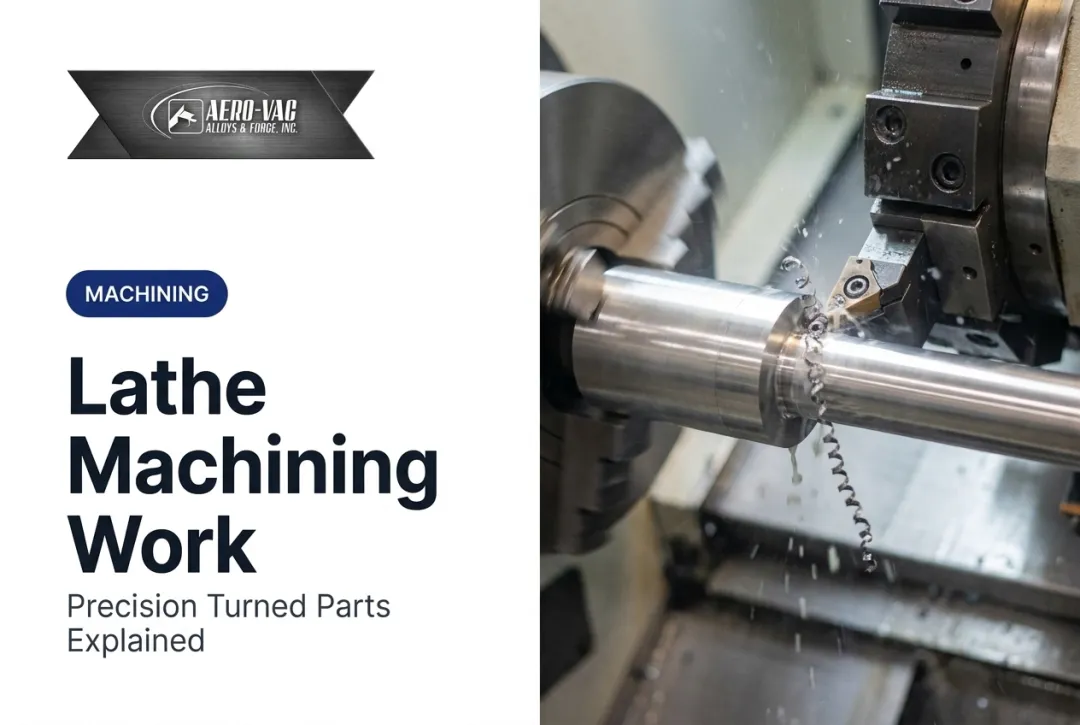
Lathe cutting feeds tube through a rotating chuck for precision parting. It's a strong choice for round, high-strength, or exotic alloy tubes where control matters more than raw speed.
Rotary cutting takes a different approach. It's chip-free, displacing material rather than removing it. This method shows up often in automotive and HVAC tubing production, and modern rotary cutoff systems can integrate chamfering and automatic feed in the same cycle.
Shear Cutting (Supported and Dual-Blade)
Shear cutting uses a scissor-like nick-and-shear action, ideal for high-speed, high-volume production with minimal material loss. Haven Manufacturing's dual-blade shear systems can achieve more than 4,000 cycles per hour, depending on diameter and cut length, with published tolerances around ±0.010 inches (Haven Manufacturing).
Shearing has limits:
- Certain exotic alloys and some stainless materials don't shear cleanly
- Jobs with those materials usually need a different method
Laser Cutting
Laser tube cutting uses a focused beam to cut complex profiles, holes, and bevels in a single operation. It's the go-to choice when parts need intricate features or when production runs are small and specs change often.
One trade source reported a production system hitting 7,000 cuts per hour without distortion or material loss (The Fabricator). That pace was on a job a saw simply couldn't match for speed.
Laser still isn't automatic best fit for every cut:
- Straight cuts on certain materials are often more economical with a saw
- Laser spatter can be a problem when ID cleanliness is critical

Why Production Tube Cutting Matters
Automated, precise cutting reduces secondary operations. Fewer parts need extra deburring or drilling after the initial cut, which speeds up everything downstream in assembly.
Tight length and end-condition tolerances also reduce scrap and rework. In high-spec industries, a single bad batch of parts can delay an entire aircraft build.
Production gains stack quickly:
- Less scrap and rework from controlled length and end conditions
- Chamfering, facing, or drilling combined with cutoff in one pass
- Fewer handling steps and fewer places an error can creep in
- Faster downstream assembly when parts arrive closer to finished
Consistency isn't optional in aerospace and defense work. Parts need certification traceability, meaning every cut has to be repeatable and documented. A shear cycle that's slightly off on length or squareness doesn't just create a bad part. It can compromise an entire lot's traceability record.
Industries and Applications Relying on Production Tube Cutting
Production-cut tube components serve several demanding sectors:
- Aerospace and defense – hydraulic lines, fuel lines, structural aircraft components, landing-gear tubing
- Oil and gas – tubular products requiring tested, traceable material
- Power generation – structural and fluid-transfer tubing
- Heavy trucking – chassis components, exhaust systems, air and fluid lines
These industries typically demand alloy steels and specialty metals with documented certifications such as ISO 9001 and AS9100, for full traceability back to the original material lot. That paperwork is non-negotiable with aerospace primes and defense contractors—a missing certificate can stall an entire program’s parts approval.

Choosing the Right Tube Cutting Process and Material Supplier
Picking a cutting method isn't a guessing game. It comes down to a handful of concrete variables:
- Material type – some alloys shear cleanly; others need a saw or laser
- Wall thickness – thin wall tube behaves differently than heavy wall under a blade
- Diameter – affects cycle time and machine setup
- Tolerance requirements – shear and laser typically hit the tightest specs
- Production volume – high-volume runs favor shear or laser; lower volume often favors sawing None of that matters, though, if the raw tube stock going into the machine is inconsistent. Poor straightness or uneven wall thickness causes cutting defects that ripple downstream into failed parts, exactly the outcome aerospace and defense manufacturers can't afford. This is where working with a certified supplier makes a real difference. Aero-Vac Alloys & Forge is an ISO 9001:2008 and AS9100 certified distributor of alloy steels and specialty metals. It supplies tubing in grades such as MIL-T-6736 chrome-molybdenum and AMS 5559 aerospace stainless, cut to exact specs and custom sizes for just-in-time production. The company serves aerospace, defense, and energy manufacturers. Its in-house saw-cutting department processes both inventory and customer-supplied material, so shops avoid the delay of outsourcing. For odd sizes or unusual order quantities, Aero-Vac connects customers with a live metals expert instead of an automated quote system. That direct access matters when a production schedule is on the line and a custom spec leaves no room for guesswork.
Frequently Asked Questions
What are the different processes used for tube cutting?
The main methods are sawing (cold saw and band saw), lathe and rotary cutting, shear cutting, and laser cutting. Each suits different materials, tolerances, and production volumes.
What is the purpose of a tube cutter?
A tube cutter separates mill-length tube stock into precise, usable lengths for downstream fabrication like welding, bending, or machining. It's the first step that turns raw stock into a usable component.
How is production tube cutting different from custom or one-off tube cutting?
Production cutting is automated and repeatable, built for high volumes with consistent tolerances. Custom or one-off cutting handles unique, low-quantity specs without that same throughput focus.
What tolerances can production tube cutting achieve?
Tolerances vary by method. Shear cutting can hit roughly ±0.010 inches on cut length, while laser systems deliver tighter positioning accuracy on complex cut paths.
Which industries rely most on production tube cutting?
Aerospace, defense, oil and gas, and power generation are among the biggest users. Heavy trucking also relies heavily on production-cut tube for chassis and fluid-line components.
Does the quality of raw tube stock affect the cutting process?
Yes. Inconsistent wall thickness or poor straightness in raw material can cause cutting defects, leading to part failures downstream. Starting with certified, quality-controlled tube stock reduces that risk significantly.